In this guide
- 01Why one trip across three states
- 02How the three states connect
- 03Best time to go
- 04Assam: gateway and Kaziranga
- 05Meghalaya: falls, roots and rivers
- 06Arunachal: the road to Tawang
- 0711-night itinerary
- 08Three ways to shape the trip
- 09Permits, rules and practical notes
- 10Plan it in five steps
- 11Frequently asked questions
- 12Start planning
An Arunachal Pradesh Assam Meghalaya tour looks simple on a map: three neighbouring states, one gateway city and a few hundred kilometres of road between the rhinos, the root bridges and the monasteries. The trouble starts when you add up the hours. Guwahati to Shillong is a morning, Shillong to the Dawki border is another day, and the climb from the Assam plains to Tawang is a full day of hairpin bends and one very high pass. Done in the wrong order, the trip becomes a blur of car windows. Done in the right order, it is one of the most varied journeys in India.
This guide is how we plan it. You will find how the three states connect, which months suit which leg, an 11-night route that avoids most of the backtracking, the permits that actually matter and the mistakes we see first-time visitors make. Our desk is in Shillong, so we know the Meghalaya and Assam stretches from daily work, and we plan Arunachal alongside drivers and hosts in Bomdila, Dirang and Tawang. If you would rather skip the reading, send us your dates and we will draft a route for your group.
“Assam is where you arrive, Meghalaya is where you slow down, and Arunachal is where the road slows you down whether you like it or not.”
Section 01
Why one trip across Assam, Meghalaya and Arunachal makes sense
The case for combining these states is geography first and variety second. Guwahati has the best air and rail links in the region, and from there Meghalaya is about three hours south, while Kaziranga and the Arunachal border at Bhalukpong each lie a long day’s drive east and north. You fly in once, fly out once and never need a second major airport.
Variety is the real reward. Assam gives you the Brahmaputra floodplain and one of the best places on Earth to see the greater one-horned rhinoceros. Meghalaya is a rain-fed plateau of waterfalls, living root bridges and Khasi villages where families trace descent through the mother. Arunachal is the Himalaya itself: orchards, prayer flags, a 4,000-metre pass and the great monastery at Tawang. Three landscapes, three cultures and three food traditions, and none of them feels like a repeat of the others.
It is also a lot of road, and we say so plainly because brochures rarely do. A well-paced three-state trip includes several drives of five hours or more and one or two of eight. If you only have five or six days, pick a single state and do it properly; our separate guide to Arunachal Pradesh tour packages covers a shorter Tawang route. If you have ten to twelve days and enjoy watching a landscape change outside the window, this is your trip.
Section 02
Arunachal Pradesh Assam Meghalaya tour route: how the three states connect
Distances in the Northeast tell only half the story. A hundred kilometres can take three hours or six, depending on rain, roadworks and the state of the last landslide. Use the table below as a planning guide, then add a cushion.
| Leg | Distance | Driving time | Worth knowing |
|---|---|---|---|
| Guwahati → Shillong | ≈ 100 km | 3 – 3.5 h | Smooth highway, but traffic builds near the Meghalaya border and around Umiam Lake. |
| Shillong → Cherrapunji (Sohra) | ≈ 55 km | 1.5 – 2 h | A climb onto the plateau; fog is common and slows everything. |
| Sohra → Mawlynnong → Dawki | ≈ 100 km | 4 – 4.5 h | Narrow village roads, so allow time for stops rather than a straight run. |
| Dawki → Guwahati | ≈ 190 km | 5.5 – 6.5 h | Back through Shillong; the longest Meghalaya–Assam day. |
| Guwahati → Kaziranga | ≈ 215 km | 4.5 – 5.5 h | Slow stretch beside the park, where animals cross the road. |
| Kaziranga → Bhalukpong | ≈ 150 km | 4 – 5 h | Via Tezpur; permits are checked at the Arunachal gate. |
| Bhalukpong → Bomdila → Dirang | ≈ 140 km | 6 – 7 h | A steady climb, then a drop into Dirang; landslide-prone patches in the rains. |
| Dirang → Tawang | ≈ 140 km | 6 – 7 h | Crosses Sela Pass at about 4,170 m; snow and cloud decide the timing. |
| Tawang → Bomdila | ≈ 180 km | 7 – 8 h | The same road in reverse, with the viewpoints you missed on the way up. |
| Bomdila → Guwahati | ≈ 320 km | 9 – 10 h | The longest single day on the route; never pair it with a same-evening flight. |
Figures are rounded and vary with weather, traffic, checkpoints and road works.
We run the route Meghalaya first, then Assam, then Arunachal, for three reasons. The easiest driving comes first, while everyone is fresh. Kaziranga sits neatly between the plateau and the mountains. And the longest, most weather-dependent stretch comes last, once the group has found its travel rhythm. In winter, or whenever snow is forecast, we sometimes reverse the order so the Tawang leg happens early with spare days afterwards in case a road closes.
Section 03
Best time for an Arunachal Pradesh Assam Meghalaya tour
No single month suits all three states, so choose the one that protects your priorities. Here is how the seasons line up for a combined Arunachal Pradesh Assam Meghalaya tour.
| Months | Assam | Meghalaya | Arunachal | Our verdict |
|---|---|---|---|---|
| October – November | Kaziranga reopens for the season; green after the rains | Clear skies, full waterfalls, comfortable days | Crisp and often clear around Tawang; cold nights | Our favourite window for the full route. Book early; it is busy. |
| December – February | Peak wildlife season; cool and sometimes foggy mornings | Dry and cold; the river at Dawki is at its clearest | Cold; snow or ice can close Sela Pass at short notice | Works well if you add buffer days and pack for real cold. |
| March – May | Warming up; the park closes for the monsoon around the end of May | Pleasant, with pre-monsoon showers building | Spring colour in the valleys; cool nights, afternoon rain | A good second choice, with rain gear in the bag. |
| June – September | Kaziranga closed to safaris; river in flood | Very heavy rain; spectacular falls, poor views | Landslides and washed-out roads are a real risk | Not our pick for the full route. Meghalaya alone can work. |
Kaziranga’s dates move every year. In 2026 the park reopened for jeep safaris on 3 October, with elephant rides due from 1 November, and it normally closes for the monsoon around the end of May. We confirm the current dates before you travel, because a safari-less Kaziranga stop is a pointless detour.
Meghalaya deserves its own note. Cherrapunji and nearby Mawsynram are among the wettest places on Earth, and the falls are at their fullest in the monsoon, but the views vanish behind cloud and roads are disrupted. If you want the rain and the thunder, travel to Meghalaya alone and leave Arunachal for another season.
Section 04
Assam: the gateway, the Brahmaputra and Kaziranga
Guwahati: a gateway, not a destination
One night is enough. Visit Kamakhya Temple on Nilachal Hill, one of the most important Shakti shrines in India, where queues are part of the experience. Spend an evening on the Brahmaputra riverfront and order an Assamese thali with tenga (sour fish curry), khar and pitika before you leave the plains.
Kaziranga: the wildlife stop
Kaziranga is a UNESCO World Heritage Site and the stronghold of the greater one-horned rhinoceros. When the park reopened in October 2026, officials quoted more than 2,600 rhinos inside its boundaries. You also see wild buffalo, swamp deer, elephants and a long bird list. Tigers live here, but sightings are rare, and anyone who guarantees one is selling you something.
Jeep safaris run in the morning and early afternoon across the Central (Kohora), Western (Bagori), Eastern (Agoratoli) and Burapahar ranges. Our advice is to book two safaris in different ranges: Kohora and Bagori are the classics for rhinos, while Agoratoli is quieter and better for birdwatching. Safari permits are tied to the identity of whoever booked, so carry the original ID; a photocopy will not do. Read the UNESCO listing for the park’s heritage status.
If you have extra days
Majuli, the vast Brahmaputra river island reached by ferry from Nimati Ghat near Jorhat, and the Ahom-era monuments around Sivasagar are the two natural extensions. Both add long transfers, so we only suggest them on trips of 14 nights or more.
Section 05
Meghalaya: waterfalls, root bridges and a river like glass
Meghalaya is the most relaxed part of the trip and the easiest to love. The state name means “abode of clouds”, and on a good morning that is simply accurate.
Shillong
Shillong is a cool, pine-ringed hill town at about 1,500 metres with a well-known café and live-music scene. Give it a day: Elephant Falls early, the Shillong Peak viewpoint, the Don Bosco Centre for Indigenous Cultures for context on the region’s tribes, and the old Iewduh market for a sense of everyday Khasi life.
Cherrapunji (Sohra) and the root bridges
Nohkalikai Falls drops more than 300 metres off the plateau edge, Mawsmai Cave is a walkable, lit limestone passage, and the Seven Sisters viewpoint looks across a long curtain of falls. The double-decker living root bridge near Nongriat village is the famous one, but it sits at the bottom of a staircase of several thousand steps. Be honest about knees and daylight: it is at least a half-day down and back, and it is the reason some groups add a night in Sohra.
Near Cherrapunji
Living root bridges
Bridges grown from rubber-fig roots over generations. The double-decker at Nongriat is the famous one.
Sohra plateau
Nohkalikai Falls
A drop of more than 300 metres off the plateau edge, often framed by drifting cloud.
Dawki
The Umngot river
Clear enough in the dry months that boats seem to hover above the riverbed.
East Khasi Hills
Mawlynnong village
Tidy lanes, bamboo and gardens. Go early and ask before photographing homes.
Jaintia Hills
Krang Suri Falls
A bright turquoise pool that suits a longer Meghalaya stay.
Near Shillong
Laitlum Canyons
A sunrise viewpoint over deep gorges, best on a clear winter morning.
Dawki and Mawlynnong
At Dawki the Umngot river runs along the Bangladesh border. In the dry months, roughly November to March, the water is clear enough that boats seem to hover above the riverbed; after heavy rain it turns murky and the effect disappears. If that photograph is why you are coming, schedule Dawki in the dry season.
Mawlynnong is often called Asia’s cleanest village, a label that has brought many visitors. Go early, buy something from the families who live there and ask before photographing anyone’s home. If you pass Mawphlang, walk the sacred grove with a Khasi guide, where the rule is that nothing leaves the forest, not even a leaf.
Food and the matrilineal tradition
Khasi cooking is built around rice, pork and fermented flavours: jadoh (rice cooked with pork or chicken), dohneiiong (pork in black sesame) and tungrymbai (fermented soybean). Vegetarians eat well in Shillong; in villages, tell your host in advance. Khasi society is matrilineal, and the youngest daughter traditionally inherits the family home, which explains why so many businesses here are run by women.
One practical point: Meghalaya does not issue an Inner Line Permit, but the state has been moving towards a visitor-registration system for non-residents. Carry original photo ID for everyone in the group; we track the rules and flag any change before you travel.
Section 06
Arunachal Pradesh: monasteries, orchards and the road to Tawang
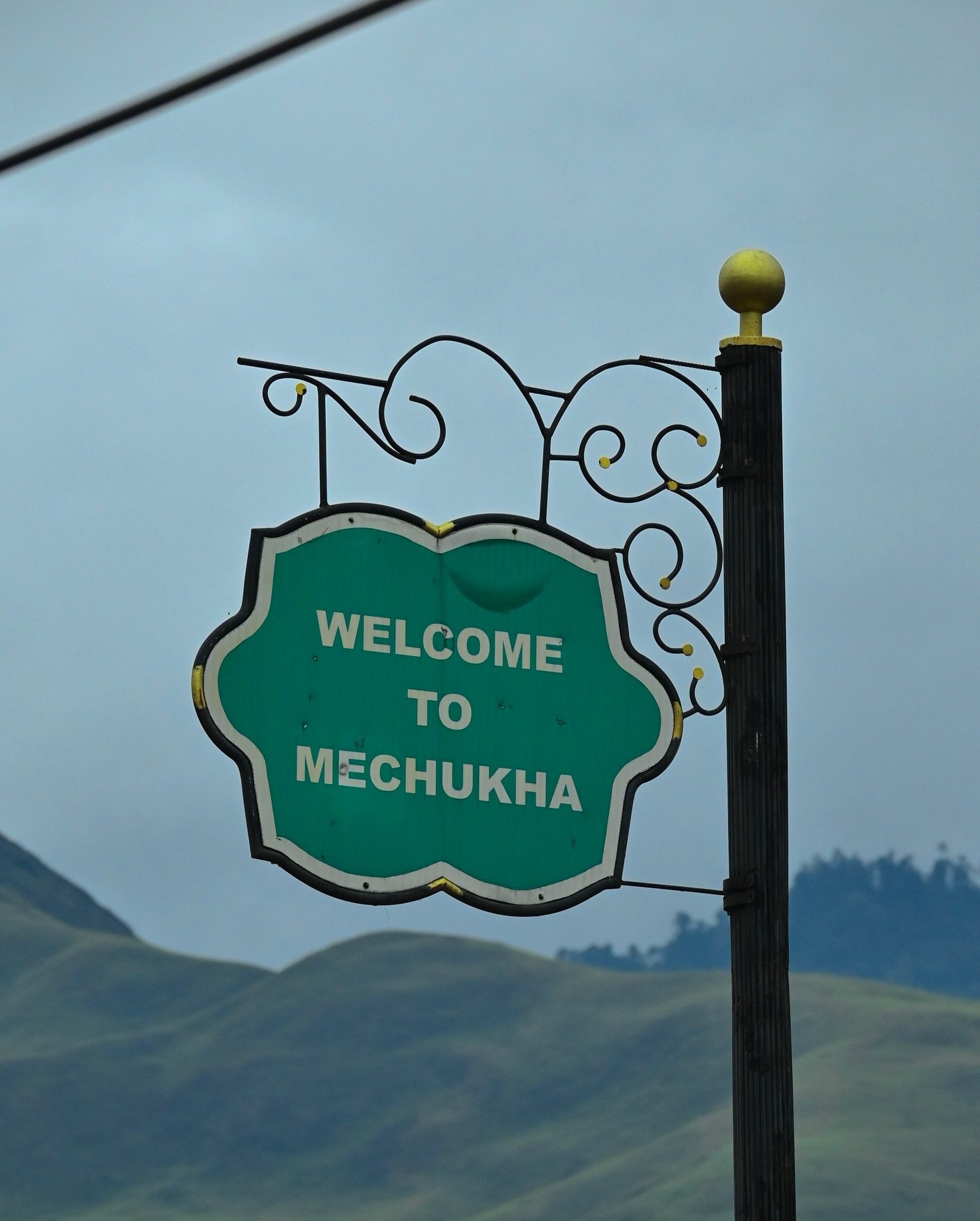
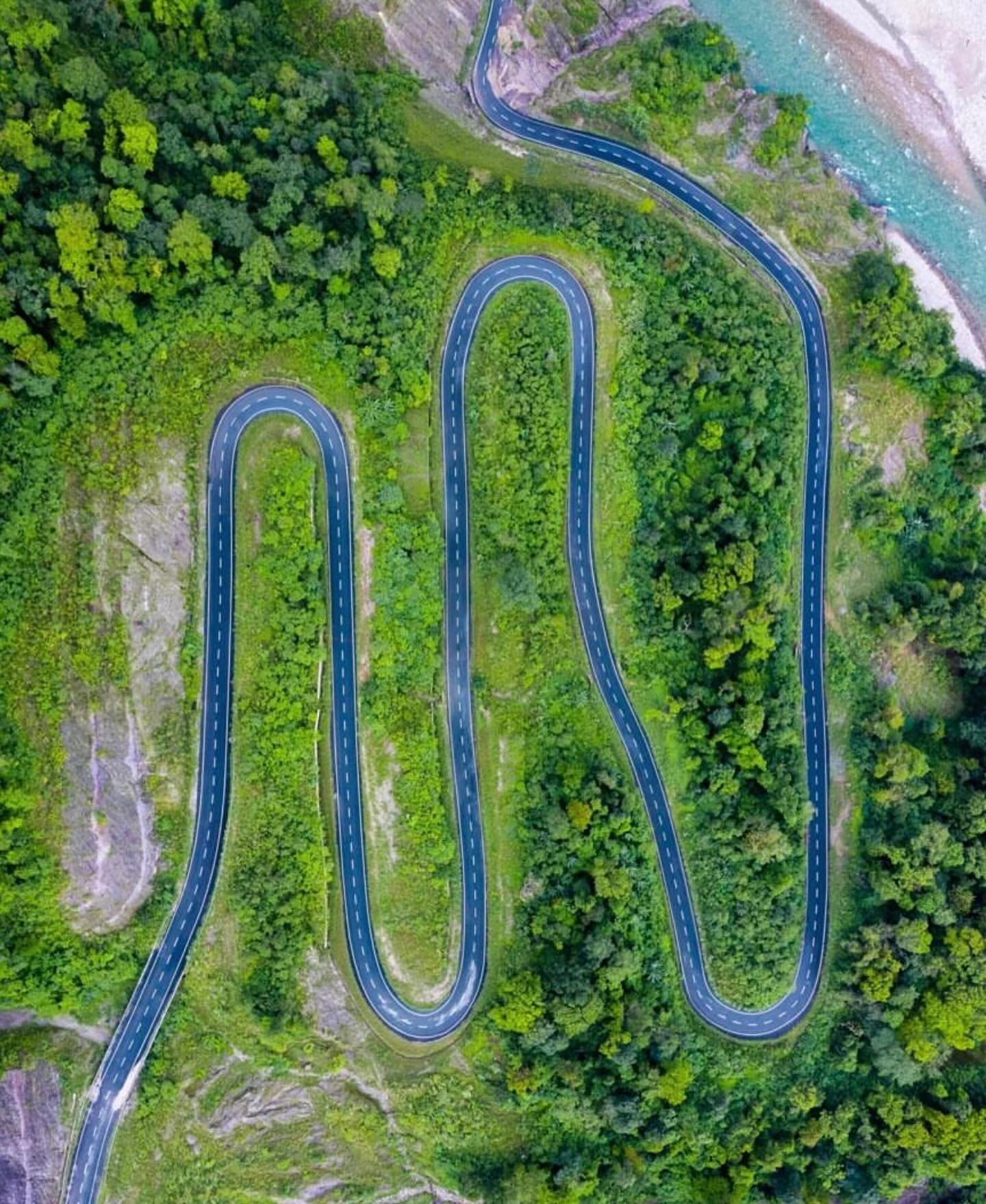
You cross into Arunachal at Bhalukpong, where permits are checked at the gate, and the road starts climbing at once. After the Assam plains, the first thing you notice is quiet. The route below is the classic western circuit; Ziro Valley in central Arunachal is a different trip entirely, which we plan separately.
- Bhalukpong≈ 200 m
- Bomdila≈ 2,400 m
- Dirang≈ 1,500 m
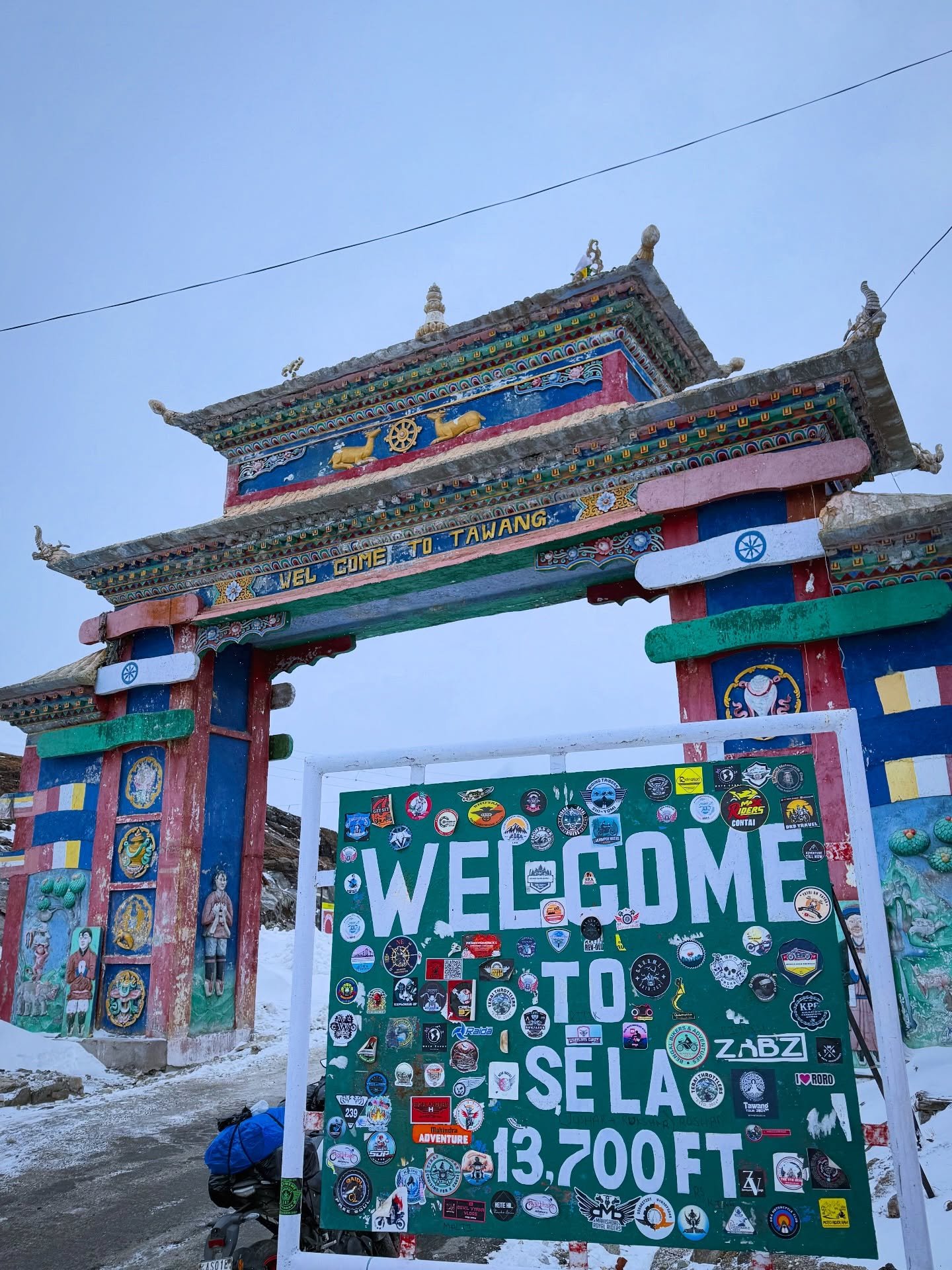
- Sela Pass≈ 4,170 m
- Tawang≈ 3,050 m
Up to Bomdila, down to Dirang, over Sela, then settle in at Tawang. Elevations are rounded for planning.
That ladder matters. You climb to Bomdila at about 2,400 m, drop to Dirang, climb again over Sela at roughly 4,170 m and then sit at Tawang near 3,050 m. A night in Dirang before the pass is a deliberate way to ease into the altitude.
Bomdila and Dirang
Bomdila is a hill town with a monastery, apple orchards and, on clear mornings, a view of the snow ranges. Dirang is warmer and calmer: a farming valley with a stone-walled dzong, kiwi and apple orchards and natural hot springs. Nearby Sangti Valley is known for black-necked cranes that winter there, so ask your host what is in season.
Sela Pass and Nuranang
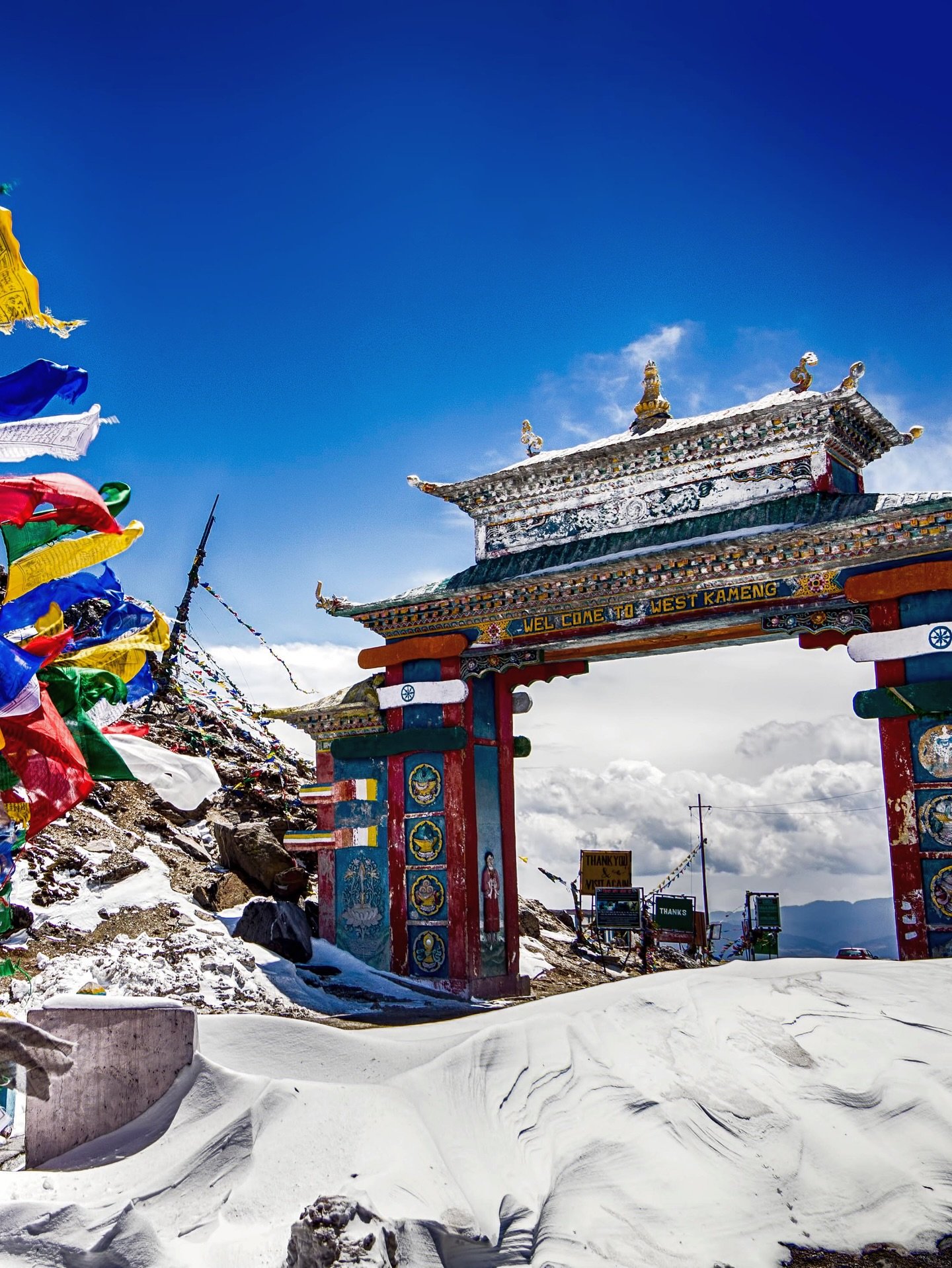
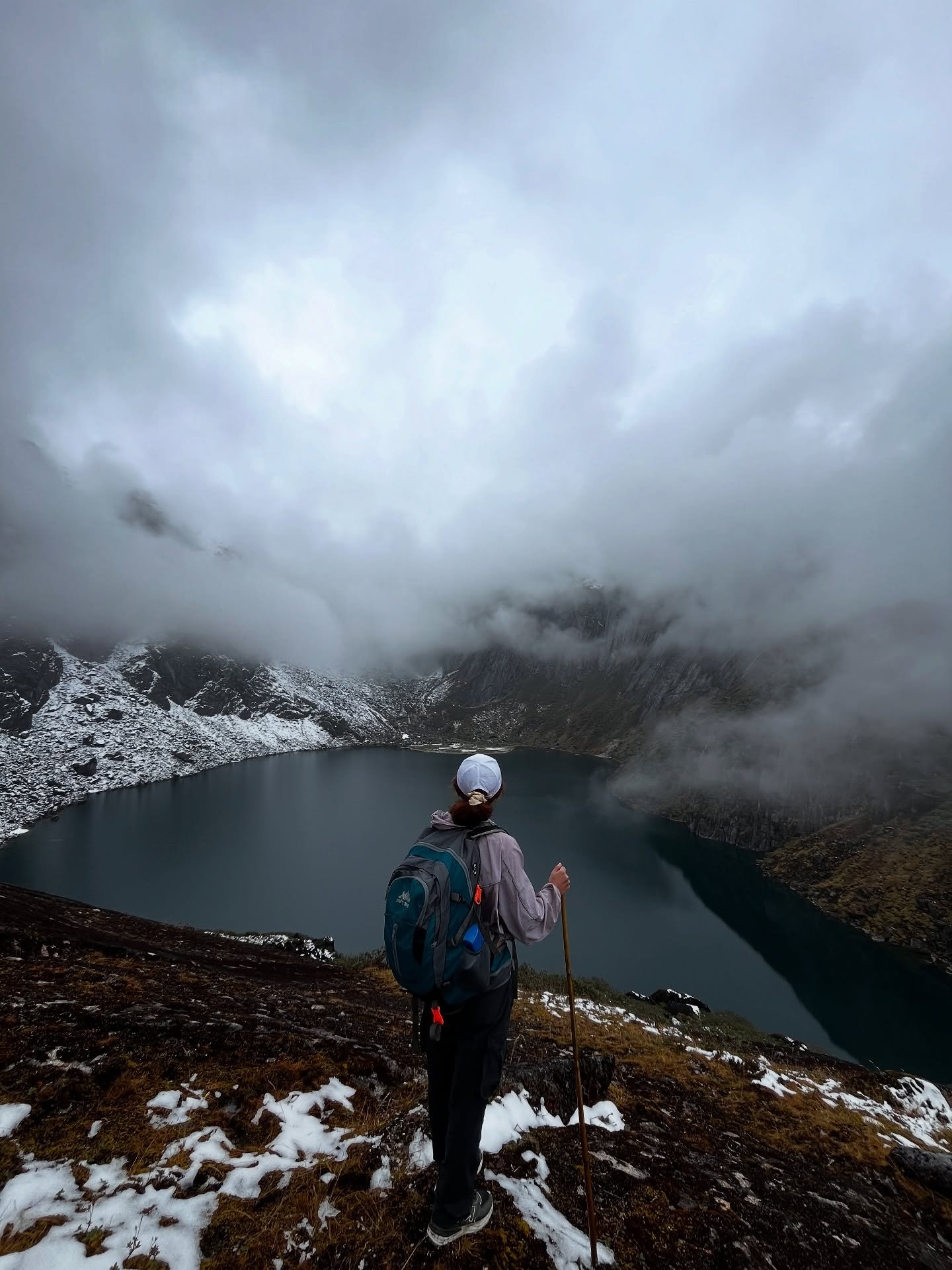
Sela is the high point of the journey and often holds snow from late autumn to spring. Beyond it, Jaswant Garh commemorates the 1962 Battle of Nuranang and is run by the Army; it is a quiet stop. Further on, Nuranang (Jang) Falls is a tall, thundering fall near Jang, visited when access allows.
Tawang
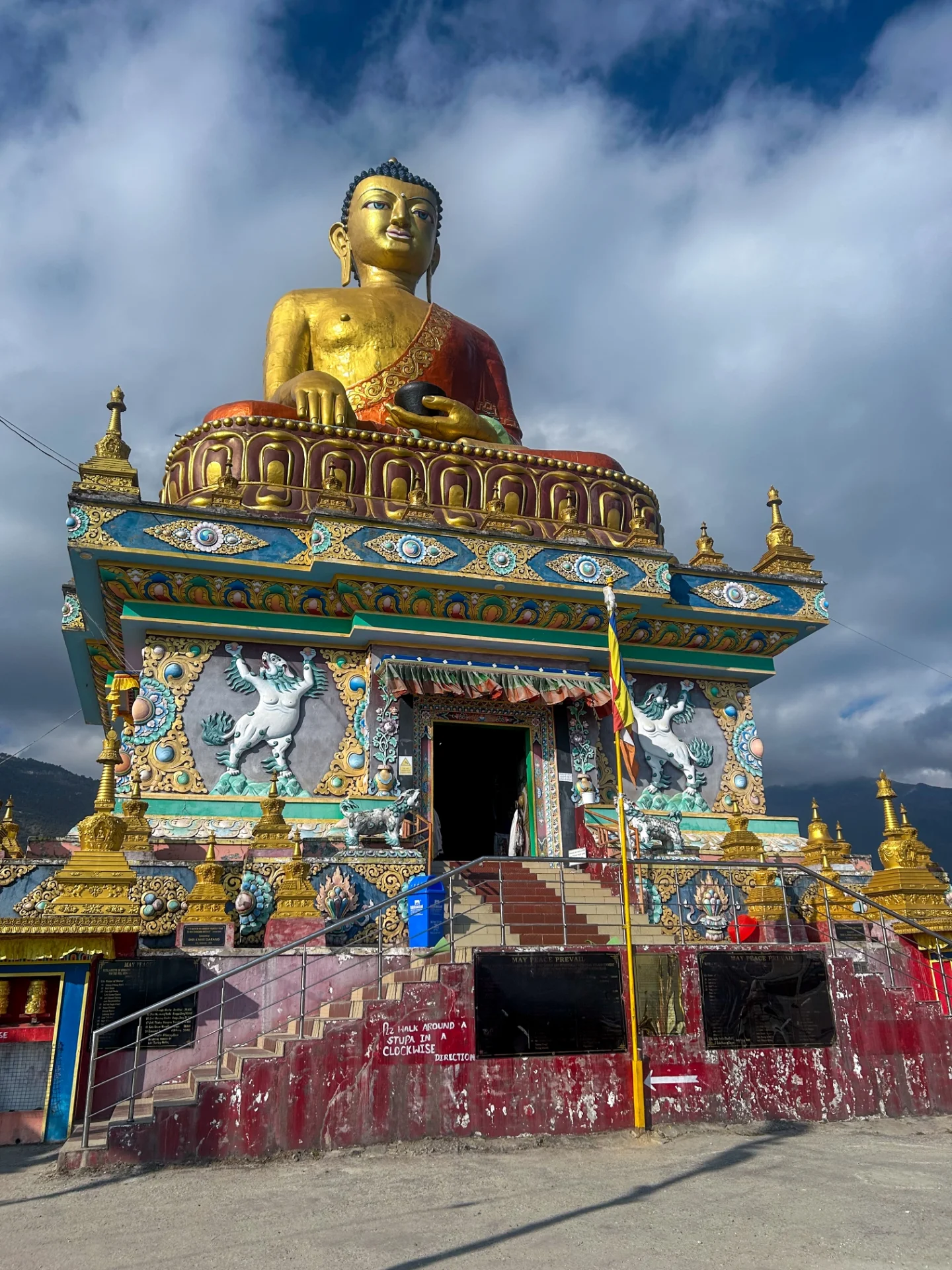
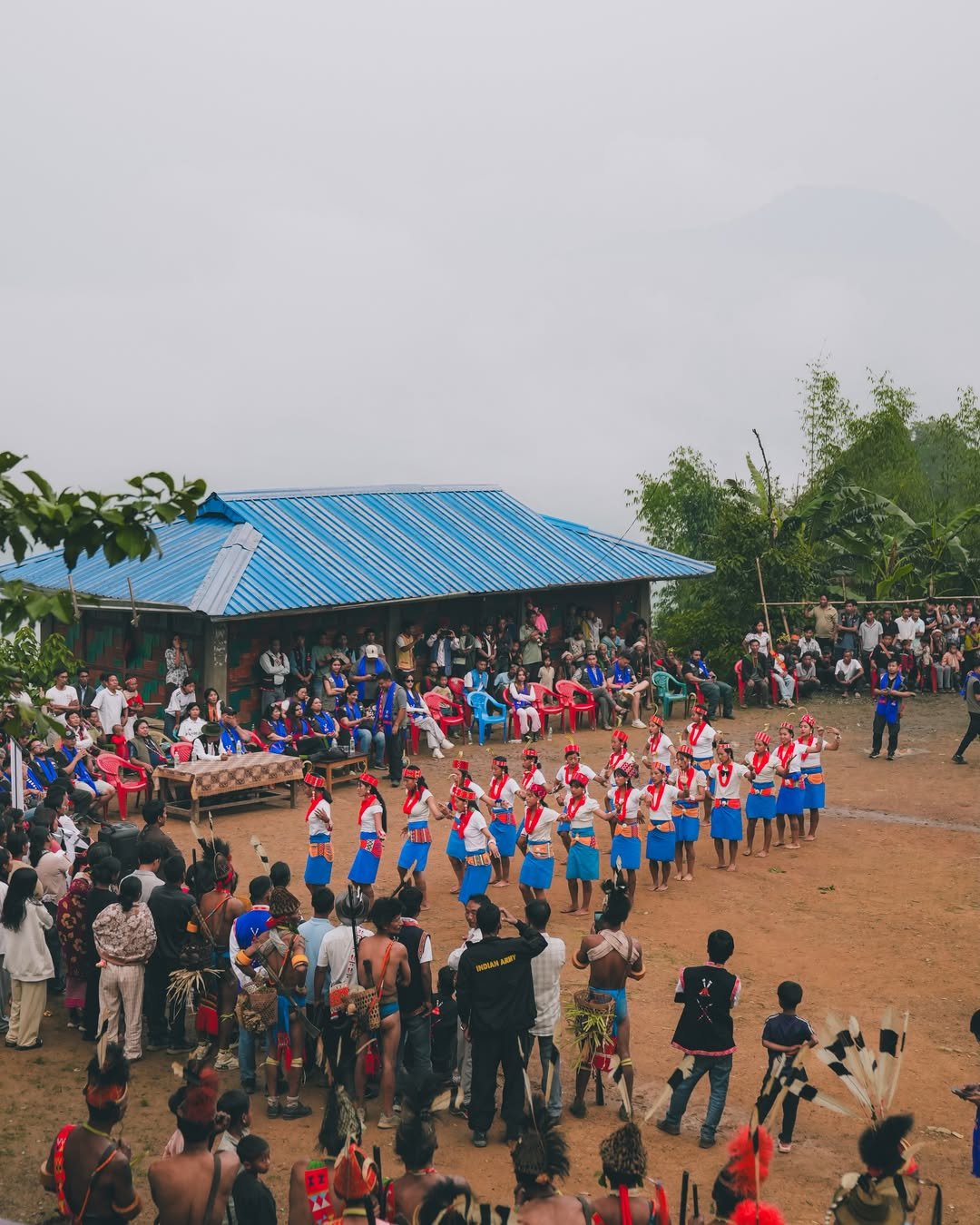
Tawang Monastery dates from the 17th century and is one of the largest Buddhist monasteries in the world. Early morning is the time to go, when prayers are underway; ask your guide whether visitors may sit quietly. Add Urgelling Monastery, the birthplace of the sixth Dalai Lama, the Tawang War Memorial and the Monpa craft market. Eat thukpa, momos and, if offered, butter tea and yak-cheese dishes. Sangetsar (Madhuri) Lake and Bum La depend on road, weather and permissions.
For a dedicated Arunachal-only itinerary with family and couple route ideas, read our companion guide to Arunachal Pradesh tour packages.
Section 07
An 11-night Arunachal Assam Meghalaya tour itinerary
Here is the Classic Three-State Circuit day by day: 11 nights from Guwahati and back, with three nights in Tawang so you are not just passing through. Driving days are long, so treat the timings as planning figures, not promises. Sightseeing depends on access, weather and your energy.
-
Day 01 · Arrival
Guwahati → Shillong
≈ 100 km · 3 – 3.5 h Overnight: Shillong
Your driver meets you at Guwahati airport or station and takes the highway up into the Khasi Hills. Stop at Umiam Lake if the light is good; the water is a reservoir, but the pine ridge behind it is lovely. Check in, walk through Police Bazar and order a plate of jadoh. Keep the evening light, because tomorrow starts early.
-
Day 02 · Shillong & Sohra
Elephant Falls to Cherrapunji
≈ 55 km · 1.5 – 2 h Overnight: Sohra (Cherrapunji)
Visit Elephant Falls early, before the coaches arrive, then drive south onto the Sohra plateau. Mawsmai Cave, Nohkalikai Falls and the Seven Sisters viewpoint fill the afternoon. Clouds decide how much you actually see, so if the valley is white, have a cup of tea and wait twenty minutes before giving up on the view.
-
Day 03 · Roots & river
Sohra → Mawlynnong → Dawki
≈ 100 km · 4 – 4.5 h Overnight: Dawki / Shnongpdeng homestay
Head down towards the Bangladesh border. Mawlynnong has tidy lanes, flower gardens and the Riwai living root bridge nearby; arrive early, before the day-trippers. Then take a boat on the Umngot at Dawki. Trekkers can swap the morning for the double-decker root bridge at Nongriat, but that adds a night in Sohra.
-
Day 04 · Back to Assam
Dawki → Guwahati
≈ 190 km · 5.5 – 6.5 h Overnight: Guwahati
If you missed the boat ride yesterday, take it this morning, then drive back through Shillong to the Assam plains. If you reach Guwahati before dusk, visit Kamakhya Temple (queues can be long, so we usually book an early slot) or simply watch the light fade over the Brahmaputra.
-
Day 05 · Kaziranga
Guwahati → Kaziranga
≈ 215 km · 4.5 – 5.5 h Overnight: Kaziranga (Kohora side)
Leave after breakfast. The road runs beside the park, where speed is deliberately slow so animals can cross. Settle in, then take the afternoon jeep safari in the Central (Kohora) or Western (Bagori) range, where rhinos are most reliable.
-
Day 06 · Park to mountains
Kaziranga → Bhalukpong
≈ 150 km · 4 – 5 h Overnight: Bhalukpong
A second safari at first light, ideally in a different range, then leave by late morning. You reach Bhalukpong on the Kameng river by afternoon, where permits are checked at the Arunachal gate. A short stop at the orchid research centre at Tipi is possible if timings suit.
-
Day 07 · Into the hills
Bhalukpong → Dirang via Bomdila
≈ 140 km · 6 – 7 h Overnight: Dirang
The road starts climbing almost at once. Bomdila is the natural halt for tea and its monastery, then you drop into Dirang’s warmer valley at about 1,500 m. Sleeping lower before the high pass is deliberate, since it gives your body a gentler step. Evenings suit a walk through the orchards.
-
Day 08 · Sela & Tawang
Dirang → Tawang
≈ 140 km · 6 – 7 h Overnight: Tawang
Cross Sela Pass at roughly 4,170 m, pause at the Jaswant Garh memorial and, if conditions allow, look at Nuranang Falls near Jang. You reach Tawang in the afternoon. Drink plenty of water and keep the evening gentle, with no strenuous plans on arrival.
-
Day 09 · Tawang
Monastery, memorial and town
Local sightseeing Overnight: Tawang
Visit Tawang Monastery early, when morning prayers are underway and visitors are permitted to sit quietly at the back. Add Urgelling Monastery, the birthplace of the sixth Dalai Lama, and the Tawang War Memorial. Leave the late afternoon free for the craft market, thukpa and momos.
-
Day 10 · Tawang
A flexible day in the high country
Depends on conditions Overnight: Tawang
Choose between Sangetsar (Madhuri) Lake, if the road and weather allow, a slow day in town, or a Bum La excursion. Bum La needs separate approval and is never guaranteed, so we plan it as a bonus and never as the reason to come.
-
Day 11 · Down the mountain
Tawang → Bomdila
≈ 180 km · 7 – 8 h Overnight: Bomdila
Start early. The road is the one you came up, which helps, and you can stop at the viewpoints you skipped. Evening at Bomdila is quiet by design: a monastery walk, an early dinner and a proper night’s sleep before the final long drive.
-
Day 12 · Departure
Bomdila → Guwahati
≈ 320 km · 9 – 10 h Overnight: Tour ends in Guwahati
This is the longest day of the trip. We strongly suggest a flight no earlier than the following morning, or a night in Guwahati. A same-evening flight leaves no margin for a landslide or a slow checkpoint, and we would rather you made it home calmly.
Section 08
Arunachal Assam Meghalaya tour packages: three ways to shape the trip
These three routes are starting points, not fixed products. Each is built from the same legs described above, and we adjust nights, hotels and pace for families, honeymooners and photographers. Every route is confirmed in writing after you share dates and group size.
-
Short & flexible
7 Nights · 8 Days
Compact Three-State Escape
Shillong · Sohra · Kaziranga · Dirang · Bomdila
- Meghalaya plateau, Kaziranga safari and the Arunachal foothills
- Skips Tawang, so there are no punishing mountain drives
- Good for first-timers with limited leave
Best for
Travellers with about a week who want a taste of all three states.
Ask about this routeTrade-off
No Tawang and no Dawki; it is a sampler, not the full circuit.
-
Most requested
11 Nights · 12 Days
Classic Three-State Circuit
Shillong · Sohra · Dawki · Kaziranga · Dirang · Tawang · Bomdila
- The full route described in the itinerary above
- Three nights in Tawang, so you are not just passing through
- Two Kaziranga safaris and a night near the Dawki river
Best for
Families, couples and photographers with 10 to 12 days who want everything.
Ask about this routeTrade-off
Several long driving days; some legs run to eight hours.
-
Take it slow
14 Nights · 15 Days
Extended Slow Circuit
Classic route + Nongriat root-bridge day + Majuli island
- An extra night in Sohra for the Nongriat double-decker root bridge
- Two nights on Majuli, the Brahmaputra river island
- More buffer days for weather on the Tawang leg
Best for
Slow travellers and repeat visitors who prefer fewer rushed mornings.
Ask about this routeTrade-off
Majuli adds a ferry and a long transfer, so it only makes sense with 14+ nights.
Not sure which fits? Count your nights honestly. Seven or fewer points to the Compact Escape; ten to twelve points to the Classic; and if you keep saying “I wish we had one more day here”, choose the Extended route.
Section 09
Permits, rules and practical notes
Paperwork is the least romantic part of the trip and the one most likely to ruin it if ignored. Here is what matters, state by state.
Arunachal Pradesh
Indian visitors who are not Arunachal residents need an Inner Line Permit, applied for through the state’s e-ILP system. The state announced a stricter, fully digital ILP regime in 2026, so ignore older advice and confirm the current process before you book. Carry the approved permit and photo ID. Excursions such as Bum La need separate approval and are never guaranteed.
Foreign visitors
Foreign nationals need a Protected Area Permit (PAP) for Arunachal. Conditions and processing times depend on nationality and route, so tell us early and keep your passport and Indian visa details ready.
Meghalaya
No Inner Line Permit, but the state has been working towards a visitor-registration system. Expect identity checks and carry original photo ID for everyone, including children.
Assam
No tourist permit is required. Hotels and Kaziranga safaris ask for ID, and the safari permit must match the ID of whoever booked.
What to pack
Layers, a proper waterproof jacket and shoes with real grip for wet root-bridge steps. Add a warm hat and gloves for Tawang, any regular medicines, a power bank and offline maps. Carry some cash, because ATMs and mobile networks thin out in the mountains.
Altitude and health
Tawang sits near 3,050 m and the road crosses a pass at about 4,170 m. Most healthy travellers manage well with an easy first evening, plenty of water and a night at Dirang beforehand. If anyone in your group has heart, lung or blood-pressure issues, or is pregnant, speak to a doctor before you book.
Etiquette that people notice
Monasteries are working places of worship: remove your shoes, walk clockwise around prayer wheels and ask before photographing monks. In villages, you are standing outside someone’s home, so ask before you point a lens. Carry out your rubbish; in Kaziranga, follow the guide’s instructions without exception.
Section 10
Plan your tour in five steps (and dodge the usual mistakes)
Planning a three-state trip is easier when you take it in order. This is the method we use with every group.
Pick your travel window
Choose dates between October and April for the full route. Check that Kaziranga is open, and leave extra days if you are travelling in winter, when Sela Pass can close at short notice.
Decide how many nights you have
Seven nights gives a sampler without Tawang, eleven covers the full circuit and fourteen lets you slow down. Do not squeeze Tawang into a week that also includes Meghalaya.
Choose the direction and your flights
Fly into and out of Guwahati. Allow a buffer night at the end, because the last drive from Bomdila takes nine to ten hours.
Apply for permits early
Indian visitors need an Inner Line Permit for Arunachal; foreign visitors need a Protected Area Permit. Gather photo ID for everyone in the group before applying.
Get the route, stays and vehicle confirmed in writing
Ask for hotel names, room types, the vehicle category, meals and what happens if a road closes. A good written itinerary answers those questions before you pay anything.
Five mistakes we see again and again
Squeezing Tawang into a week that also includes Meghalaya. Tawang needs two full days on the road just to reach and leave. If you have six days, choose either the plateau or the mountains.
Booking a flight on the evening of the Bomdila–Guwahati drive. Nine to ten hours of hill road has no guaranteed finish time. Keep a night in hand.
Trusting map apps for driving time. They know distance, not landslides, checkpoints or fog. Use our table above and add a cushion.
Skipping buffer days in winter and the rains. A closed pass is an inconvenience when you have a spare day and a disaster when you do not.
Packing for Guwahati and arriving in Tawang. The temperature can fall by 25 degrees or more in a day. Gloves and a proper hat are not optional in the colder months.
Section 11
Frequently asked questions
These are the questions travellers ask us most often about an Arunachal Pradesh Assam Meghalaya tour. If yours is not here, call us and ask.
How many days do you need for an Arunachal Pradesh Assam Meghalaya tour?
Plan 11 nights and 12 days if you want Meghalaya, Kaziranga and Tawang without rushing. A compact version covering Shillong, Cherrapunji, Kaziranga, Dirang and Bomdila works in about 7 nights. Anything shorter than a week usually means choosing one state and doing it well.
What is the best time to visit Arunachal, Assam and Meghalaya together?
October to April is the practical window. Kaziranga’s safari season runs roughly from October to May, Meghalaya’s waterfalls and viewpoints are at their best after the rains, and the road to Tawang is usually clearer in autumn and spring. Winter works with buffer days for snow on Sela Pass. June to September is the least suitable season for the full route because of heavy rain, landslides and the monsoon closure of Kaziranga.
Do I need a permit for an Arunachal Assam Meghalaya tour?
Indian visitors who are not Arunachal residents need an Inner Line Permit (ILP) for Arunachal Pradesh, and foreign visitors need a Protected Area Permit (PAP). Assam does not require a tourist permit. Meghalaya does not issue an ILP, but the state has been moving towards a visitor-registration system, so carry original photo ID. Rules change, so confirm the current process before you book.
Is this tour suitable for children and older travellers?
Often yes, with adjustments. Meghalaya and Kaziranga are gentle, while Tawang involves long drives and altitude of about 3,050 m, with a pass at roughly 4,170 m on the way. A route that stops at Dirang or Bomdila is easier. Speak to your doctor before booking if anyone has heart, lung or blood-pressure concerns.
Which airport should I fly into?
Guwahati’s Lokpriya Gopinath Bordoloi International Airport is the most practical gateway, because every leg of this route starts there and it has the widest choice of flights and trains. Smaller nearby airports have limited services. We plan around Guwahati and add a buffer night before return flights.
Can the route be done in reverse?
Yes. In winter, we sometimes put Tawang earlier in the trip so there are spare days to adjust if snow closes a road. Meghalaya then becomes the relaxed finish. The best direction depends on your flights, the season and how much cold you want to face first.
Should we rent a car and self-drive?
We do not recommend self-drive for this route. Arunachal’s mountain roads, changing weather and long days suit a local driver who knows the stretches, and permits and checkpoints are easier with an experienced operator. A private vehicle with a driver also lets everyone enjoy the view.
What does a typical Arunachal Assam Meghalaya tour package include?
A typical package covers hotels or homestays, a private vehicle with a driver experienced on hill roads, permit assistance, Kaziranga safari arrangements and daily breakfast. Flights, travel insurance, personal expenses and optional activities are usually separate. The written itinerary lists exactly what is and is not covered.
How do I get a personalised itinerary?
Tell us your travel dates, group size, ages, preferred pace and arrival city through the enquiry form or by phone. We reply with a written route showing each overnight stop, with no obligation to book.
Section 12
Start planning your three-state tour
Start with the version of the Northeast you want to remember: the rhinos at first light in Kaziranga, the clear river at Dawki, or prayer flags above Tawang. Most people want all three, and with 10 to 12 days, they can have them without feeling hurried.
Send your plans through the enquiry form on our bespoke journeys page, or call the desk on +91 98744 08179. If Arunachal is your priority, our Arunachal Pradesh tour packages page goes deeper into family and couple routes.
Tell us your dates. We will draft the route.
Share your travel window, group size and how fast you like to travel. You will get a written day-by-day plan to review, with no obligation to book.